01
What people usually mean by it
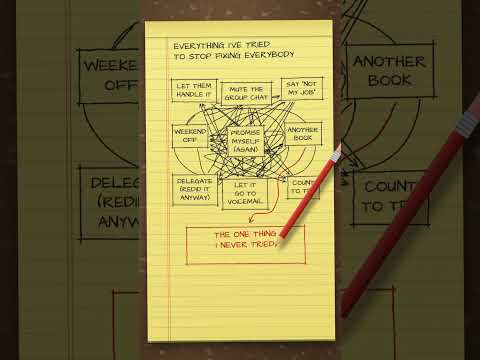
If you recognize yourself here, you are probably right about the behavior. The question this page is about is whether you are right about the cause.
02
What it can look like
Tap any that sound like you.
03
Why "fixing" describes behavior but does not explain it
"I fix" is a description. It tells us what happened. It does not tell us what the behavior is protecting, which means it cannot tell us what would make the protection unnecessary. Two people can fix for opposite reasons, and the advice that frees one of them will do nothing for the other.
Fixing tells us what happened. Subtraction asks why this person needed to do it.
04
Rules that may produce it
Same behavior, four different engines. Each is a hypothesis, not a verdict.
Needed
"If people need me, I matter." Fixing secures a role. Being indispensable is how you stay.
Peace
"If everyone is okay, I am safe." Fixing ends the distress fast, because their distress is your danger.
Right
"If I solve this correctly, I cannot be blamed." Fixing is about being the one with the answer.
Ahead
"Stillness is where it catches me." Fixing is motion. Sitting with a problem unsolved feels like exposure.
05
Common triggers
Tap any that sound like you.
06
Short-term payoff
Relief, usefulness, and a clear sense of who you are in the room.
07
Long-term cost
Exhaustion. Relationships where you are the help and never the helped. People who stop bringing you things because you make them a project.
08
Questions to observe
- What was the exact moment you started to fix? The second, not the topic.
- What did your body do first?
- What did the moment seem to mean about you?
- What were you protecting against? What would have happened if you hadn't?
- Which of the four rules above explains your last three moments like this? Which does it fail on?
09
How subtraction uses this as evidence
Fixing is treated as a clue, not a conclusion. In subtraction it becomes one data point among several moments from your actual life, and each candidate rule is tested against all of them. The rule that accounts for the whole set without forcing anything survives. How subtraction works.